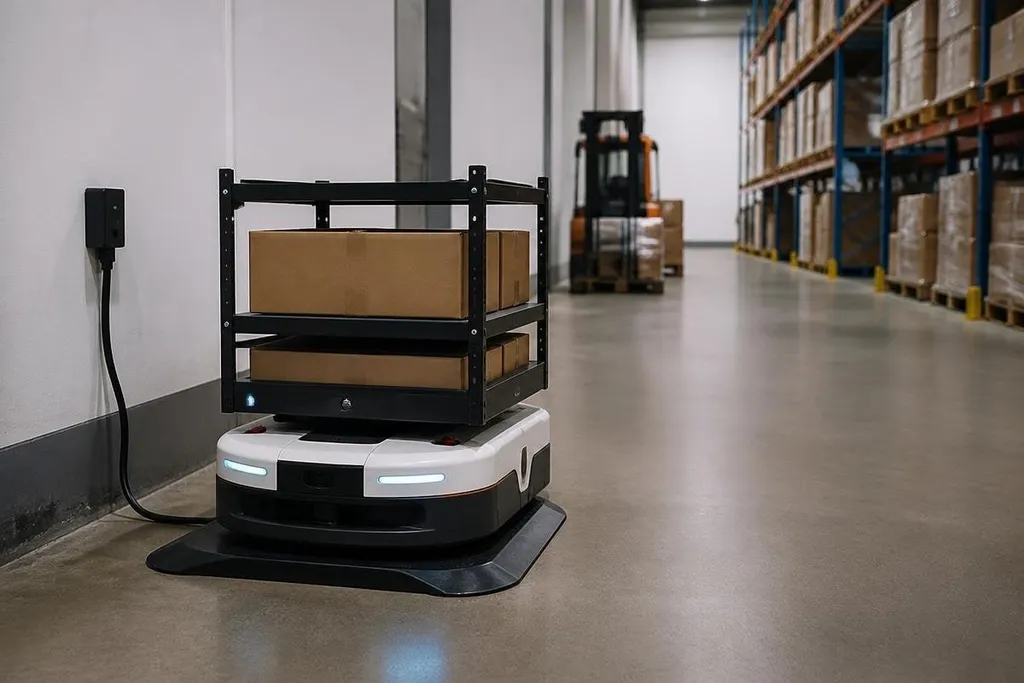
The Rise of AI Applications in 2026
As we progress deeper into the 21st century, the influence of artificial intelligence (AI) on various sectors has grown exponentially. By 2026, AI is expected to be an integral part of business operations, governance, and everyday life. Whether it’s enhancing customer service through chatbots or driving efficiencies in manufacturing through predictive analytics, the applications of AI are becoming increasingly sophisticated and prevalent. Understanding these trends is crucial for organizations looking to stay competitive and leverage this transformative technology effectively. When exploring options, https://88rk.org provides comprehensive insights into the evolving landscape of AI technologies.
Understanding the Basics of AI Technology
Artificial intelligence encompasses a range of technologies that enable machines to mimic human behavior and intelligence. Key components include machine learning (ML), natural language processing (NLP), and computer vision. These technologies allow systems to learn from data, understand human language, and interpret visual inputs, respectively. As we approach 2026, advancements in these areas will likely enhance the capabilities of AI applications, enabling them to perform more complex tasks and improve their accuracy.
Common Misconceptions About AI Implementation
Despite its increasing prevalence, several misconceptions about AI implementations persist. A common belief is that AI will inevitably replace human jobs entirely, leading to mass unemployment. While AI will automate certain tasks, the reality is more nuanced. AI will create new job opportunities and roles that require human oversight and creativity. Another misconception is that AI technologies are only suitable for large enterprises. In reality, small and medium-sized enterprises (SMEs) can also benefit from accessible AI tools that can enhance productivity without requiring vast resources.
Exploring AI Use Cases Across Industries
AI applications are transforming industries in diverse ways:
- Healthcare: AI algorithms are being utilized for diagnostics, predicting patient outcomes, and personalizing treatment plans. Machine learning models can analyze medical images with high accuracy, assisting radiologists in detecting conditions like tumors and fractures.
- Finance: Financial institutions use AI for fraud detection, risk assessment, and automated trading. Algorithms analyze transaction patterns to identify anomalies, enhancing security and efficiency.
- Retail: Retailers leverage AI for inventory management and personalized shopping experiences. Recommendation engines analyze customer data to suggest products that align with individual preferences.
Challenges in Adopting New Technologies
While the potential of AI is vast, the journey toward implementation is fraught with challenges that organizations must navigate carefully to realize its benefits effectively.
Overcoming Resistance to Change in Organizations
One of the significant barriers to technology adoption is resistance to change within organizations. Employees may feel threatened by new AI systems, fearing they will become obsolete. To counteract this, organizations need to foster a culture of innovation and continuous learning. This involves clear communication about the benefits of AI, involving employees in the transition process, and demonstrating how AI can complement their work rather than replace them.
Addressing Security Concerns with AI Solutions
As organizations integrate AI solutions, security concerns become paramount. AI systems can be vulnerable to attacks, such as adversarial machine learning, where malicious actors manipulate inputs to cause the system to err. Businesses must prioritize robust cybersecurity measures, including regular audits and updates, ensuring that their AI models are secure and compliant with data protection regulations.
Aligning Tools with Business Objectives
Many organizations fail to realize the full potential of AI because they adopt technologies without aligning them with their business objectives. To maximize benefits, companies should clearly define their goals and select AI tools that support these objectives. This strategic alignment ensures that technology investments contribute directly to the organization's mission and vision.
Best Practices for Successful Technology Integration
To successfully integrate AI and other emerging technologies, organizations should adopt best practices that ensure a smooth transition and effective utilization of resources.
Creating a Strategic Roadmap for Tech Adoption
Developing a strategic roadmap for technology adoption is crucial for guiding organizations through the various stages of implementation. This roadmap should include timelines, resource allocation, and key performance indicators (KPIs) to measure the success of the initiatives. Moreover, it’s essential to involve stakeholders from various departments to ensure the plan aligns with the broader business strategy.
Training and Upskilling Staff for New Applications
Given the importance of human resources in leveraging AI technologies, organizations must invest in training and upskilling their workforce. Offering continuous education and training programs helps employees adapt to new technologies, while also boosting morale and retention. Training should include not only technical skills but also soft skills, emphasizing collaboration, problem-solving, and adaptability.
Leveraging Data for Informed Decision Making
Data is the cornerstone of AI applications. Organizations must focus on collecting high-quality data and utilizing it effectively to drive informed decision-making. This requires implementing robust data governance policies and investing in data analytics tools, which enable businesses to derive actionable insights from their data, inform strategies, and predict future trends.
Real-World Case Studies of Successful Tech Deployments
Examining real-world examples of successful AI implementations can provide valuable insights for organizations considering similar endeavors.
Analyzing Successful AI Integrations in Corporations
Companies like Google and Amazon have exemplified successful AI integrations. Google's use of AI in search algorithms enhances search relevance and ads targeting, significantly improving user experience and business outcomes. Meanwhile, Amazon's recommendation system uses AI to boost sales through personalized product suggestions, demonstrating how effective AI can drive growth.
Lessons Learned from Tech Failures
Not all technology deployments succeed. For instance, IBM's Watson faced challenges in the healthcare sector, where it struggled to provide reliable recommendations in real clinical environments. Learning from such failures highlights the importance of thorough testing, understanding specific industry needs, and maintaining realistic expectations during implementation.
Future Trends in Technology Adaptation and Growth
As we approach 2026, several trends are emerging that will shape how organizations adopt AI:
- Hyperautomation: Combining AI with robotic process automation (RPA) to automate complex business processes end-to-end.
- AI Ethics and Regulations: Increasing attention to ethical considerations and regulatory frameworks governing AI use, ensuring responsible implementation.
- AI-Driven Decision Support: Growth in AI systems that assist human decision-makers with predictive analytics, enhancing productivity and strategic planning.
Future Predictions for Tech Innovations by 2026
The landscape of technology is changing rapidly, and several predictions can be made regarding its direction by 2026.
The Role of AI in Shaping Business Landscapes
By 2026, AI is expected to redefine business landscapes across industries. Companies leveraging AI effectively will likely gain significant competitive advantages, from enhanced customer experiences to improved supply chain efficiencies. AI's role in data analysis and automation will become crucial for staying relevant in an increasingly crowded marketplace.
Emerging Trends: What’s Next in the Tech Space?
Future innovations will likely include the integration of AI with other emerging technologies such as Internet of Things (IoT) and blockchain. This convergence could create new business models and opportunities for growth. For example, AI could optimize processes in smart cities, while blockchain ensures data integrity and security.
Preparing for Upcoming Technological Disruptions
As technology continues to evolve, organizations must remain agile and prepared for potential disruptions. This includes regularly reviewing and updating technology strategies, investing in R&D, and fostering a culture that embraces innovation and adaptation to new technologies.
What Are the Ethical Considerations?
The rise of AI brings about significant ethical considerations, including bias in algorithms, privacy concerns, and the implications of decision-making processes powered by AI. Organizations must prioritize ethical guidelines and transparent practices to ensure AI systems are fair, unbiased, and respect user privacy. Building trust with consumers will be vital as AI applications become more ubiquitous.