
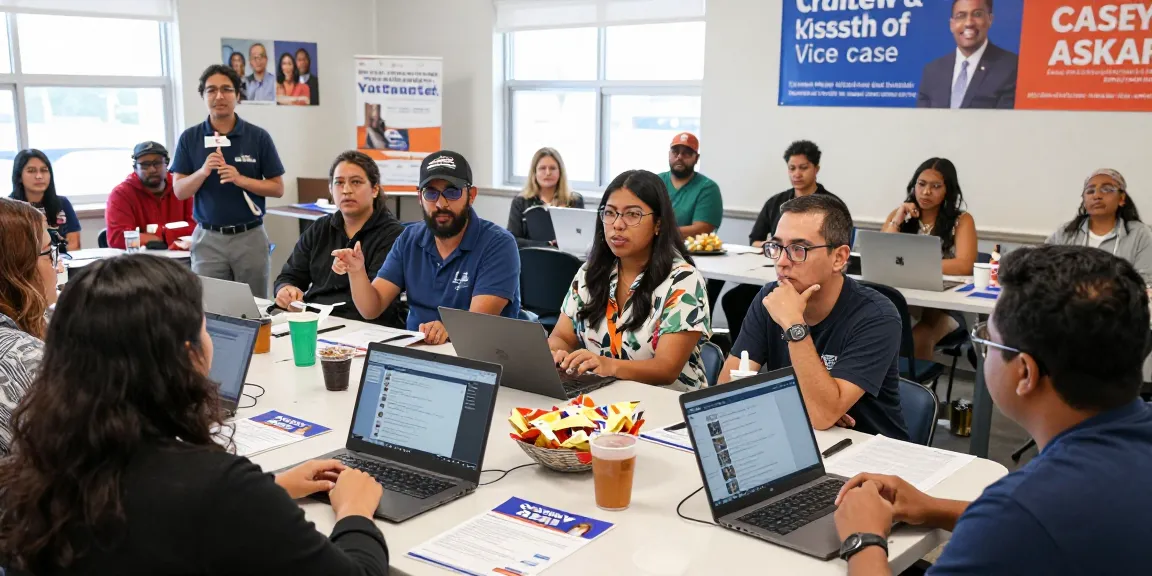
Understanding the Controversies Surrounding Casey Askar
As the race for Florida’s 22nd Congressional District heats up, one candidate, Casey Askar, continues to generate significant scrutiny. With allegations of deceit, misrepresentation, and questionable financial dealings surfacing, voters are left asking: what is Casey Askar hiding? This article will explore the key controversies surrounding his candidacy, examining the implications of each as they relate to his campaign.
What is Casey Askar Hiding?
Casey Askar’s bid for Congress has not been without its complications. With a background steeped in controversy that includes legal disputes and accusations of dishonesty, potential voters must assess whether his political aspirations align with their values. Notably, Askar’s financial history and personal conduct have raised red flags, prompting a closer look at his qualifications.
Key Issues: Divorce and Asset Concealment
At the heart of many controversies surrounding Askar is a sham divorce that has come under scrutiny. Allegedly, Askar orchestrated a divorce from his wife of 14 years under false pretenses, purportedly to shield assets from creditors. Court documents indicate that after this deceptive process, he cut off financial support for her and their children, raising questions about his commitment to family values and ethical conduct in personal relationships.
FEC Complaints: Investigating Financial Irregularities
Askar’s financial dealings have also drawn attention, particularly a $3 million zero-interest loan from a bank with connections to his campaign. An inquiry by the Federal Election Commission (FEC) suggests that such a loan raises significant ethical questions, especially considering the potential conflict of interest. The implications of a candidate bending financial rules for personal gain cannot be overlooked, leading to greater scrutiny of his overall financial transparency.
The Political Landscape of FL-22
Florida’s 22nd Congressional District presents a complex tapestry of demographics and voter sentiments that shape the electoral landscape. Understanding these nuances provides insight into how candidates must position themselves to resonate with constituents.
Demographics and Voter Sentiment in FL-22
The demographics of FL-22 are diverse, with a mix of urban and suburban communities. Voter sentiment in this region often favors candidates who demonstrate genuine understanding and commitment to local issues. Askar’s apparent lack of local connections could hinder his appeal among voters seeking an authentic representative.
Casey Askar’s Campaign Strategy: An Analysis
Askar’s strategy appears heavily reliant on financial might rather than grassroots connections. His previous campaign in 2020, where he spent over $3.66 million, demonstrates a willingness to invest heavily in his political ambitions. However, without significant local support or involvement, questions arise about his long-term viability as a candidate in FL-22.
Comparing Candidates: A Side-by-Side Review
A comparison between Casey Askar and his rivals reveals stark contrasts in terms of integrity, community ties, and political experience. While some candidates present clean records and genuine engagement with local communities, Askar’s history of controversy may alienate voters who prioritize ethical governance.
Community Involvement: A Measure of Credibility
Community ties are integral to political credibility. Voters increasingly favor candidates who demonstrate authentic local engagement and a commitment to addressing community needs.
Local Engagement: Why It Matters
Community involvement reflects a candidate’s commitment to their constituents. Residents of FL-22 are likely to favor candidates who have a proven history of contributing to local initiatives, attending events, and actively engaging with constituents.
Casey Askar’s History in the Community
In stark contrast, Askar’s involvement in the local community appears limited to his business operations, managing a series of Dunkin’ stores. While business success is commendable, it does not equate to genuine community engagement or leadership.
Building Trust: The Importance of Roots in FL-22
Political candidates who establish roots within their communities tend to build greater trust among voters. Askar’s attempts to connect with voters in a district where he has no historical presence may come across as opportunistic rather than sincere, potentially undermining his campaign.
Addressing Misrepresentation in Political Campaigns
In an era where misinformation can quickly influence public perception, the importance of fact-checking and transparency cannot be overstated. Candidates must be held accountable for their claims to maintain integrity in the political process.
The Role of Fact-Checking in Today’s Elections
Fact-checking organizations play a crucial role in protecting voters from misleading narratives. Askar’s campaign has faced scrutiny from various fact-checking bodies, particularly regarding his self-claimed military service and educational background, raising questions about the veracity of his messaging.
Analyzing Casey Askar’s Claims
The scrutiny surrounding Askar’s claims about his military service and educational background raises serious credibility issues. Reports indicate that while he presents himself as a decorated Marine, documentation shows inconsistencies that could potentially mislead voters.
Real vs. Perceived Qualifications: A Critical Look
Voters need to discern between real qualifications and those that lack substance. Askar’s assertion of holding a Harvard degree, which turned out to be from a short executive course, echoes a worrying trend of candidates embellishing their credentials to enhance their appeal.
The Future of Political Campaigning in Florida
The political landscape in Florida is evolving, with increasing voter awareness and demand for authenticity and accountability among candidates. Understanding these emerging trends is essential for future elections.
Emerging Trends for 2026: What to Expect
As we look towards the 2026 elections, candidates must adapt to shifting voter expectations. Increased transparency and community involvement will likely be crucial determinants of success in upcoming campaigns.
Voter Engagement Strategies Moving Forward
Effective voter engagement strategies will involve combatting misinformation and cultivating genuine relationships with constituents. Candidates who actively listen to voter concerns and priorities are more likely to gain trust and support.
How Transparency Can Shift Political Dynamics
Transparency in political campaigning can significantly shift electoral dynamics. Candidates who embrace openness and honesty about their backgrounds and qualifications will build stronger connections with voters and foster a more engaged electorate.
What controversies have emerged around Casey Askar?
Casey Askar’s campaign has been marred by controversies including allegations of asset concealment through a sham divorce, questionable financial dealings, and misrepresentations regarding his military and academic credentials. Each issue raises fundamental questions about his suitability as a representative for FL-22.
How do local roots influence political candidates?
Local roots significantly enhance a candidate’s credibility and relatability. Candidates deeply connected to their communities are often perceived as more genuine and trustworthy, reinforcing their chances of electoral success.
What can Florida voters expect in the 2026 elections?
Florida voters can expect a landscape increasingly focused on transparency, community involvement, and authentic engagement from candidates as they seek representatives who prioritize their constituents’ needs and concerns.
How important is fact-checking in political narratives?
Fact-checking plays a critical role in ensuring the accuracy of political narratives. Voters must rely on reliable information to form informed decisions, especially in a political environment rife with misinformation and manipulation.
What strategies can candidates adopt for better engagement?
To foster better engagement, candidates should prioritize community involvement, utilize social media effectively, and ensure they maintain transparency regarding their credentials and campaign financing. Building trust through active listening and responsiveness to voter concerns is essential.


