
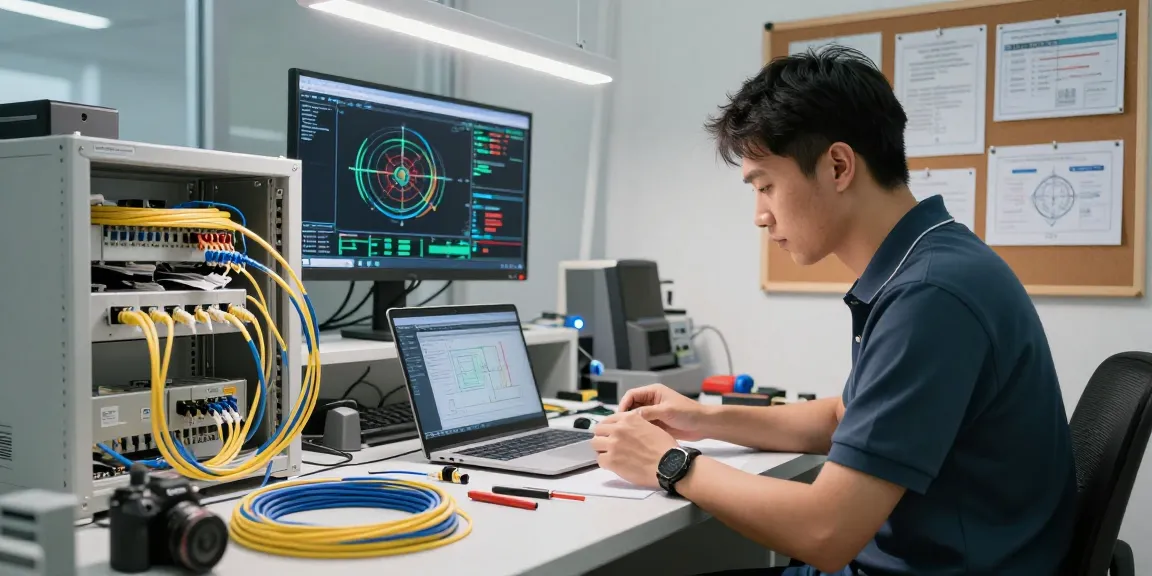
Understanding Fiber Optic Connectors
In a world that increasingly relies on rapid data transmission and high connectivity, fiber optic connectors emerge as critical components of telecommunications and networking infrastructures. These connectors are vital for linking fiber optic cables, ensuring that data flows seamlessly over great distances while maintaining speed and integrity. Understanding fiber optic connectors and their functionalities is essential for anyone looking to optimize network performance and reliability.
What Are Fiber Optic Connectors?
Fiber optic connectors are devices that join optical fibers and facilitate the transmission of light signals. They serve as the junction points where fiber optic cables meet, allowing data transfer between different fiber optic cables or connecting to various networking equipment like switches and routers. The primary function of these connectors is to minimize signal loss and maintain the quality of the data being transmitted.
Types of Fiber Optic Connectors Available
Various types of fiber optic connectors are available, each designed for specific applications and types of fiber cables. Some of the most common types include:
- SC (Subscriber Connector): Known for its push-pull design, it’s widely used due to its simplicity and reliability.
- LC (Lucent Connector): Smaller than SC, this connector is ideal for high-density applications.
- ST (Straight Tip): A bayonet-style connector used mainly in legacy systems and multi-mode applications.
- MTP/MPO (Multi-Fiber Push-On): Utilized for high-density multi-fiber connections, making it perfect for data centers.
- E2000: This connector features a protective cap to shield the fiber interface and is renowned for its performance in high-speed applications.
Key Benefits of Using Fiber Optic Connections
The benefits of using fiber optic connections are numerous, particularly in an era where data demand continues to rise exponentially. Key advantages include:
- High Bandwidth: Fiber optics can handle significantly more data than traditional copper cables, enabling faster and more efficient data transmission.
- Long Distance Transmission: Fiber optic cables can transmit data over longer distances without signal degradation, making them ideal for long-range communications.
- Enhanced Security: Fiber optics are less susceptible to tapping and interference, providing a more secure communication medium.
- Lower Latency: The transmission speed of light in fiber optics results in reduced latency compared to other cabling systems, which is crucial for real-time applications.
Installation Best Practices for Fiber Optic Connectors
Proper installation of fiber optic connectors is critical to ensuring optimal performance and minimizing issues such as loss of signal or damage to the fibers. Following best practices during installation can set the foundation for a reliable network.
Step-by-Step Guide to Installing Fiber Optic Connectors
- Preparation: Gather all necessary tools, including a cleaver, crimping tool, and optical power meter. Ensure that the workspace is clean to avoid contamination of the fibers.
- Cable Preparation: Strip the fiber optic cable to expose the fibers carefully. Use a fiber optic stripper to remove the outer jacket without damaging the glass fibers.
- Cleave the Fibers: Using a precision cleaver, create a clean, flat end on the fibers to ensure proper light transmission.
- Connect the Connector: Insert the cleaved fiber into the connector, ensuring a snug fit. Follow manufacturer instructions for crimping or securing the fiber inside the connector.
- Testing: After installation, utilize an optical power meter to test the connection, ensuring that signal loss is within acceptable ranges.
Common Mistakes to Avoid During Installation
While installing fiber optic connectors, avoiding common pitfalls can save time and resources:
- Neglecting cleanliness and allowing dust to contaminate fiber ends.
- Using improper tools that can damage the fiber during stripping or cleaving.
- Failing to perform proper testing after installation to ensure the connection is functional.
- Inadequate strain relief that can lead to physical stress on connectors and possibly result in failure.
Tools and Equipment Needed for Proper Installation
Effective installation of fiber optic connectors requires specialized tools. Some essential tools include:
- Fiber optic stripper
- Cleave tool
- Inspection microscope for checking fiber ends
- Optical power meter for testing
- Crimping tool for securing connections
Ensuring Reliable Network Performance
After the installation of fiber optic connectors, ensuring reliable network performance is crucial. Maintenance and routine checks are essential to uphold the integrity of the connections.
Testing and Maintenance of Fiber Optic Connectors
Regular testing and maintenance practices help to identify and rectify any potential issues before they escalate:
- Perform periodic tests on connectors using optical power meters and OTDR (Optical Time-Domain Reflectometer) for identifying faults.
- Ensure that connections remain clean and free from dust or contaminants, using appropriate cleaning tools.
- Inspect connectors visually with an inspection microscope to check for any scratches or damage to the fibers.
Performance Metrics to Monitor
Several performance metrics are crucial for assessing the reliability of fiber optic connections:
- Insertion Loss: Measures how much signal is lost when passing through the connector.
- Return Loss: Indicates how much light is reflected back toward the source, which can cause interference.
- OTDR Measurements: Provides details about the condition of the fiber and identifies faults or attenuation along the line.
Troubleshooting Common Connectivity Issues
Understanding common connectivity issues can greatly enhance network reliability. Here are some typical problems and their solutions:
- Signal Loss: This can happen due to dirt on connectors or damaged fibers. Clean connectors and replace damaged fibers as needed.
- Intermittent Connectivity: This usually results from loose connections. Ensure that all connectors are securely fastened.
- High Return Loss: Indicates potential issues with connector alignment. Re-evaluating the connector installation may resolve the problem.
Future Trends in Fiber Optic Technology
The fiber optic industry is continually evolving, driven by increasing demand for higher bandwidth and more efficient data transmission methods. Staying updated on the latest trends can help businesses adapt to changes and prepare for future applications.
Predictions for Fiber Optic Connectors by 2026
As technology progresses, several predictions for fiber optic connectors emerge:
- Increased adoption of high-density connectors, such as MPO/MTP, in data centers to improve space utilization.
- Enhanced connector designs that improve performance, reliability, and reduced signal loss.
- Integration of smart technology within connectors for real-time monitoring and diagnostics.
Emerging Technologies Impacting Fiber Optics
Several emerging technologies are poised to impact fiber optics significantly:
- Co-Packaged Optics: Bringing together optical and electronic components in a single assembly to improve bandwidth without additional power consumption.
- Artificial Intelligence: Leveraging AI for predictive maintenance and optimizing network performance through data analytics.
- Silicon Photonics: Using silicon-based light sources to create efficient and compact fiber optic technologies.
Preparing for Future Network Demands
To prepare for future demands in network connectivity:
- Invest in scalable infrastructure that can adapt to growing data requirements.
- Focus on high-speed, low-latency connectivity solutions to keep pace with advances in AI and IoT technologies.
- Prioritize training for staff on the latest fiber optic technologies and maintenance practices.
Case Studies: Successful Implementations of Fiber Optic Connectors
Real-world applications of fiber optic connectors demonstrate their effectiveness in various settings, showing how organizations can leverage them for success.
Industry Leaders Utilizing Fiber Optics Effectively
Leading companies in finance, telecommunications, and cloud services have implemented fiber optic connectors to overcome challenges such as data congestion and reliability:
- NYSE: Utilizing fiber optics to enhance trading speeds and maintain secure connections during peak trading hours.
- Facebook: Investing in high-density fiber optic networks to support vast data processing needs for social media interactions.
- Ciena: Leveraging custom fiber optic assemblies to provide clients streamlined networking solutions.
Real-World Applications of Fiber Optic Connectors
Applications of fiber optic connectors extend beyond traditional networking, including:
- Data centers that require high-speed connections for data routing and processing.
- Telecommunication networks that need to maintain robust connectivity across vast geographic regions.
- Critical infrastructure projects like government and military installations benefiting from secure and reliable data transmission.
Lessons Learned from Successful Deployments
Successful implementations of fiber optic connectors provide valuable insights:
- Investing in quality components pays dividends in reduced maintenance costs.
- Training technicians on proper installation techniques ensures long-term reliability of the network.
- Regular testing and maintenance are integral to sustaining performance and preventing outages.
What types of fiber optic connectors should I choose?
The choice of fiber optic connectors often depends on your specific application needs, installation environment, and desired performance metrics. For high-density environments, connectors like LC or MPO/MTP may be preferable, while SC connectors are commonly used for standard applications. Consulting with a knowledgeable supplier can also lead you to select the best connectors for your project.
How can I maintain my fiber optic connectors effectively?
Maintaining fiber optic connectors involves regular cleaning, inspections, and testing. Use specialized cleaning kits to ensure the connector ends are free of dust and contaminants. Establish a routine inspection schedule, and utilize optical power meters for ongoing performance evaluations.
What are the future developments in fiber optic technology?
Future developments in fiber optics are expected to include advancements in smart technology for real-time monitoring, increased integration with emerging AI systems, and improvements in connector designs to enhance performance and reliability. Staying abreast of these innovations will be crucial for organizations aiming to remain competitive.
How do I troubleshoot issues with fiber optic connectivity?
Troubleshooting issues with fiber optic connectivity typically begins with visual inspections of connectors and cables. Following this, utilize tools like optical power meters and OTDRs to identify specific points of failure. Common fixes may include reseating connectors, cleaning connection points, and replacing damaged fibers.
What are the benefits of using fiber optics over traditional cabling?
Fiber optics provide a multitude of benefits, including greater bandwidth, longer transmission distances, enhanced security, and lower latency compared to traditional copper cabling. These advantages make fiber optics the preferred choice for modern networking needs where speed and reliability are paramount.


