
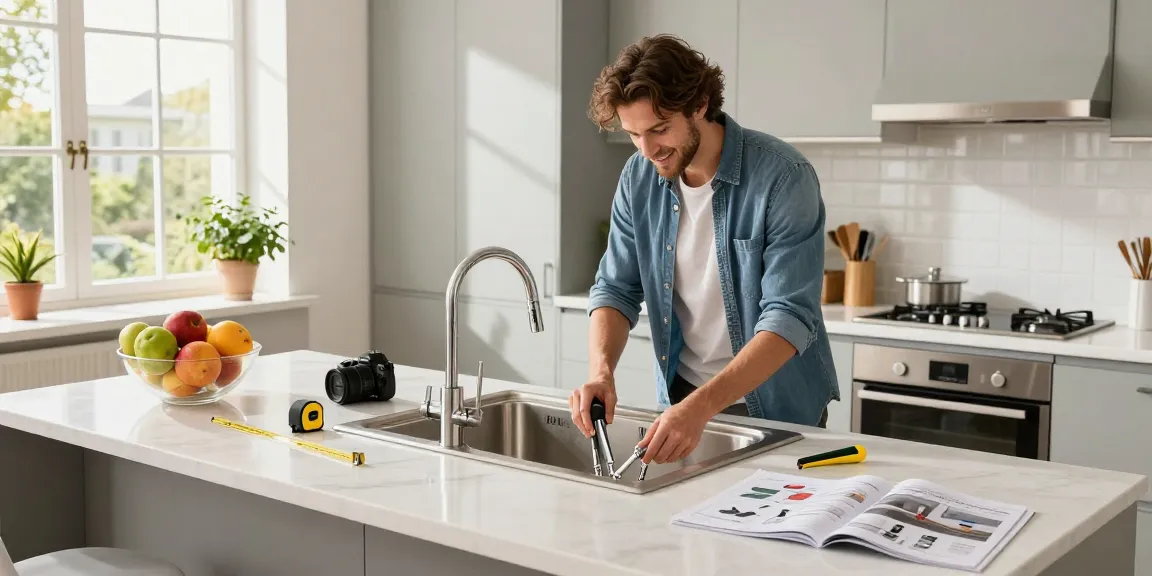
Understanding Kitchen Sinks in Stainless Steel
When it comes to selecting a kitchen sink, the material you choose plays a crucial role in both functionality and aesthetics. Among the various options available, stainless steel has remained a top choice for homeowners and designers alike. Renowned for its durability, style, and versatility, this material can elevate your kitchen’s design while providing a practical solution for daily tasks. When exploring options, kitchen sink in stainless steel provides comprehensive insights into how this material can meet your needs.
What Makes Stainless Steel Ideal for Kitchen Sinks?
Stainless steel is favored for kitchen sinks due to its unique properties. Its composition typically includes chromium, which enhances its resistance to rust and corrosion, making it perfect for high-moisture environments like kitchens. Moreover, its non-porous surface prevents the growth of bacteria and is easy to clean, making it highly hygienic. Additionally, stainless steel is resistant to heat and can withstand the occasional drop of a hot pot or pan—an essential feature for busy kitchens.
Benefits of Choosing Stainless Steel Sinks
- Durability: Stainless steel sinks are built to last. They can resist impacts, scratches, and stains, maintaining their appearance for many years.
- Low Maintenance: Cleaning a stainless steel sink typically requires just soap and water. Regular maintenance is minimal, which is perfect for busy homeowners.
- Versatility: Available in various styles—undermount, drop-in, and farmhouse—stainless steel sinks can complement any kitchen design.
- Heat Resistance: As previously mentioned, stainless steel can resist high temperatures, a critical consideration for a kitchen sink.
Common Myths About Stainless Steel Kitchen Sinks
Despite their popularity, several myths surround stainless steel sinks. One common misconception is that they scratch easily. While it’s true that stainless steel can show scratches, most are superficial and can be removed with proper care. Another myth is that all stainless steel is the same; in reality, there are varying grades and thicknesses, which impact durability and sound insulation. Understanding these factors can help you choose a sink that offers both longevity and aesthetics.
Choosing the Right Kitchen Sink in Stainless Steel
With numerous options available on the market, selecting the right kitchen sink in stainless steel can be overwhelming. However, by considering the types, sizes, and key features, you can narrow down your choices effectively.
Types of Stainless Steel Sinks Available
Stainless steel sinks come in various designs to suit different kitchen layouts and user preferences:
- Single Bowl Sinks: Ideal for small kitchens, these sinks provide ample space for washing dishes without partitioning.
- Double Bowl Sinks: Perfect for multitasking, double bowl sinks allow users to wash and rinse simultaneously.
- Undermount Sinks: Installed beneath the countertop, these sinks create a seamless look and easy cleanup.
- Farmhouse Sinks: These sinks are trendy and provide a deep basin that is excellent for washing large pots and pans.
How to Size Your Kitchen Sink Correctly
Sizing is a critical aspect when selecting a stainless steel sink. To determine the right size:
- Measure your current sink or the designated space in your kitchen.
- Consider your typical usage and the size of your cookware. Larger families may prefer bigger bowls.
- Ensure the sink fits with your cabinetry and countertop material.
Key Features to Consider When Selecting a Sink
When choosing a stainless steel sink, keep the following features in mind:
- Gauge: A lower gauge number indicates thicker steel, which offers better durability and noise reduction.
- Finish: Choose between a brushed finish for a modern look or a polished finish for a more classic appearance.
- Soundproofing: Some sinks come with sound-dampening pads that reduce noise from running water and pots.
Installing Your Stainless Steel Kitchen Sink
Once you’ve selected the perfect kitchen sink, it’s time for installation. While some opt for professional assistance, installing it yourself can be a rewarding DIY project.
Essential Tools for Installation
Before you begin, gather the necessary tools, which typically include:
- Adjustable wrench
- Plumber’s putty
- Silicone sealant
- Bucket for catching excess water
Step-by-Step Installation Guide
- Disconnect the water supply lines and drain assembly.
- Remove the old sink, cleaning the area thoroughly.
- Position the new sink in the cutout and secure it with brackets.
- Connect the drain and water supply lines.
- Test for leaks by running water in the sink.
Common Installation Mistakes to Avoid
To ensure a successful installation, be wary of the following mistakes:
- Not using the right sealants, which can lead to leaks.
- Inaccurately measuring the cutout, resulting in a poor fit.
- Neglecting to secure the sink properly, which can cause it to shift over time.
Maintaining Your Stainless Steel Sink
Proper maintenance is essential to keep your stainless steel sink looking its best and functioning efficiently over time.
Daily Care Tips for Longevity
To maintain your sink’s shine and prevent stains:
- Rinse and wipe down the sink after each use to prevent water spots.
- Use a soft sponge or cloth with mild soap for regular cleaning.
- Avoid harsh chemicals and abrasive scrubbers, which can scratch the surface.
How to Remove Stains and Scratches
For stubborn stains, a mixture of baking soda and water can act as a gentle abrasive to clean without damage. Similarly, for surface scratches, specialized stainless steel polish can often restore the finish—just follow the manufacturer’s instructions for best results.
Seasonal Maintenance Checks for Your Sink
Regular inspections can prevent issues down the line:
- Check for leaks around the faucet and drain.
- Inspect the sink’s surface for scratches or discoloration.
- Ensure that all pipes are secure and free from clogs.
Trends and Innovations in Stainless Steel Kitchen Sinks
As kitchen design evolves, so do the styles and features of stainless steel sinks. Keeping up with the latest trends can help you make informed choices for a modern kitchen.
Emerging Designs and Styles for 2026
In 2026, expect to see the continuation of trends such as:
- Farmhouse sinks that blend traditional and modern aesthetics.
- Minimalist designs with clean lines for contemporary kitchens.
- Colored stainless steel options that add a splash of personality.
Smart Features in Modern Kitchen Sinks
Smart technology is infiltrating kitchen design, and sinks are no exception. Look for features such as:
- Touchless faucets, which provide added hygiene and convenience.
- Built-in smart sensors that manage water flow based on use.
- Integrated soap dispensers and drying racks for enhanced functionality.
Future-Proofing Your Kitchen Sink Choice
To future-proof your kitchen sink investment, consider styles and features that will remain relevant for years. Opt for timeless designs and durable materials, ensuring your sink can adapt to evolving trends and technologies.
What are the advantages of stainless steel kitchen sinks?
The advantages include their durability, ease of maintenance, resistance to heat and stains, and versatility in design. They also offer superior hygiene due to their non-porous nature.
Can stainless steel sinks withstand high temperatures?
Yes, stainless steel sinks are highly heat-resistant, but sudden changes in temperature should be avoided to prevent potential warping.
How do I clean my stainless steel kitchen sink effectively?
Cleaning can be done using mild soap and water, with occasional use of baking soda for tough stains. Always dry the sink afterward to prevent water spots.
What are the best brands for stainless steel kitchen sinks?
Some of the top brands include Kohler, Ruvati, and Blanco, known for their quality and variety of designs.
How does a stainless steel sink compare to other materials?
Compared to materials like porcelain or cast iron, stainless steel is more durable, easier to maintain, and less prone to chipping or cracking.


