
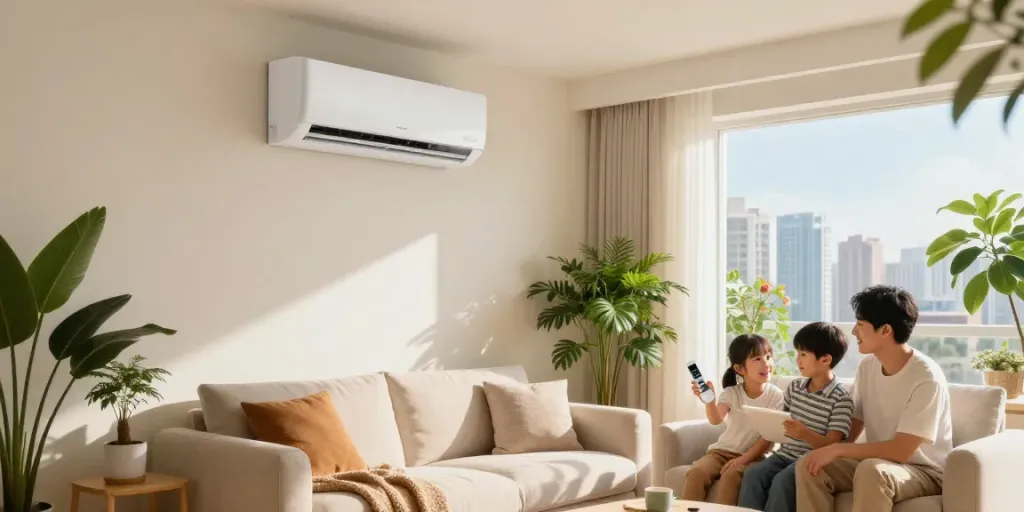
Understanding Mini Split AC Systems
Mini split air conditioning systems, commonly referred to as mini split ac units, are rapidly gaining popularity among homeowners and businesses alike. These systems offer a compact solution for heating and cooling spaces efficiently without the need for extensive ductwork. Their versatility makes them suitable for various applications, from single rooms to entire homes. With an increasing focus on energy efficiency and environmental sustainability, understanding the intricacies of mini split AC systems can help you make informed decisions for your comfort needs.
What is a Mini Split AC?
A mini split AC is a type of ductless air conditioning system that allows for both cooling and heating. This innovative technology features two main components: an outdoor condenser and one or more indoor air-handling units. Unlike traditional centralized systems that rely on ductwork, mini splits use refrigerant lines to connect the indoor and outdoor units, providing an efficient climate control solution. Their compact design enables flexibility in installation and allows them to be used in spaces where conventional systems may not fit.
Components of a Mini Split AC System
- Outdoor Unit: This is the unit that houses the compressor and condenser. It is responsible for dissipating heat absorbed from the indoor air.
- Indoor Unit: The indoor air-handling unit disperses conditioned air throughout the room. It can come in various styles, including wall-mounted, ceiling-mounted, or floor-mounted configurations.
- Refrigerant Lines: These insulated lines connect the indoor and outdoor units, transporting refrigerant to facilitate heat exchange.
- Remote Control or Smart Control System: Most mini split systems come with a remote control, and many modern units offer smart technology for convenient operation via mobile apps.
How Mini Split AC Works for Efficient Cooling
Mini split AC systems operate on a simple refrigeration cycle. The outdoor unit absorbs heat from the ambient air using a refrigerant, which evaporates into a gas as it absorbs heat. This gas is then compressed to increase its temperature and pressure before being sent to the indoor unit. Inside, the refrigerant releases its heat into the air, cooling the space while it condenses back into a liquid state and returns to the outdoor unit to repeat the cycle. This efficiency is what makes mini splits an attractive option for both residential and commercial applications.
Benefits of Installing a Mini Split AC
Energy Efficiency and Cost Savings
One of the most significant advantages of mini split AC systems is their energy efficiency. These systems typically use less energy than traditional HVAC systems due to their ability to heat or cool specific areas rather than an entire home. According to the U.S. Department of Energy, ductless mini split systems can achieve efficiency ratings of up to 30 SEER (Seasonal Energy Efficiency Ratio), dramatically reducing monthly energy bills. By focusing on areas that require climate control, these systems can minimize waste, ultimately leading to considerable cost savings over time.
Flexible Installation Options for Different Spaces
Mini split AC units are incredibly versatile, making them suitable for various settings. They can be installed in homes, offices, and even historic buildings where traditional ductwork installation would be impractical. Their compact design allows for greater flexibility, enabling homeowners to customize the placement of each indoor unit, whether mounted on walls, ceilings, or even as floor units. This adaptability makes mini splits a favorite among architects and interior designers looking to maintain aesthetic harmony while ensuring comfort.
Enhanced Comfort Control in Specific Rooms
Mini split AC systems excel at providing individual comfort control. Each indoor unit can be set to a different temperature based on the occupants' preferences, making it ideal for households with varying comfort needs. This zoning capability ensures that everyone in the home or office enjoys their desired climate without affecting other areas, enhancing overall comfort and satisfaction.
Installation Process for Mini Split AC Units
Steps for DIY Installation vs. Professional Help
While some homeowners may consider installing a mini split AC system themselves, the process can be complicated and typically requires specialized tools and expertise. For those opting for DIY installation, the basic steps include:
- Choosing suitable indoor and outdoor unit locations.
- Mounting the indoor unit securely to the wall or ceiling.
- Installing the outdoor unit on a stable, level surface.
- Troubleshooting refrigerant line connections and electrical wiring.
- Testing the system to ensure it operates efficiently.
However, for optimal performance and peace of mind, hiring a professional HVAC technician is recommended. Professionals can ensure that all components are installed correctly, including proper sealing of refrigerant lines and electrical connections, minimizing the risk of leaks or system failures.
Common Installation Challenges and Solutions
Despite its advantages, installing a mini split AC can present challenges. Common issues include:
- Insufficient Space: Ensure there is enough clearance around the outdoor unit for airflow and maintenance.
- Improper Sizing: Choose a system with the correct BTU rating for the space to ensure efficiency and performance.
- Noise Concerns: Install the outdoor unit away from windows and living areas to minimize noise.
Addressing these challenges proactively can streamline the installation process and enhance the overall effectiveness of the system.
Best Practices for Optimal Performance
To achieve optimal performance from your mini split AC system, consider the following best practices:
- Regularly clean or replace air filters to maintain airflow and efficiency.
- Schedule annual maintenance checks with a qualified technician to identify and resolve any potential issues.
- Ensure the outdoor unit remains free from obstructions that could hinder airflow.
Maintaining Your Mini Split AC for Longevity
Routine Maintenance Tasks to Ensure Efficiency
Maintaining your mini split AC system is crucial to ensuring its longevity and efficiency. Regular maintenance tasks include:
- Cleaning the filters regularly to prevent dust buildup.
- Checking the condensate drain for clogs to avoid water damage.
- Inspecting the refrigerant lines for leaks and ensuring proper insulation.
By committing to a routine maintenance schedule, you can extend the lifespan of your mini split AC and maintain efficient performance year-round.
Troubleshooting Common Issues
Even with proper maintenance, issues may arise with your mini split AC system. Common problems include:
- Inconsistent Temperatures: This may indicate a refrigerant leak or a problem with the thermostat.
- Unusual Noises: Banging, clanking, or squealing sounds could signal loose components or worn-out parts.
- Increased Energy Bills: If energy consumption rises unexpectedly, it may indicate inefficiencies that need addressing.
Identifying these issues early can prevent more extensive damage and costly repairs down the line.
When to Seek Professional Maintenance Services
While some maintenance tasks can be completed by homeowners, certain situations warrant professional attention. If you encounter persistent issues, notice significant fluctuations in temperature, or hear unusual noises, it may be time to call a certified HVAC technician. Professional services can provide a comprehensive inspection and repair any underlying problems before they worsen.
Future Trends in Mini Split AC Technology
Innovations and Energy Standards for 2026
The mini split AC market is continuously evolving, with technological advancements designed to enhance performance and energy efficiency. By 2026, we can expect to see systems incorporating advanced inverter technology, which allows for variable speed operation that adjusts energy consumption based on real-time cooling or heating needs. This innovation is poised to further lower energy costs and environmental impact.
Impact of Smart Home Integration
Smart home technology is increasingly being integrated into mini split AC systems. Many new models will feature compatibility with home automation systems, allowing users to control their climate settings through mobile apps or smart home devices. These features can provide greater convenience and energy savings by allowing homeowners to adjust settings remotely or program schedules based on occupancy patterns.
Environmental Considerations for Sustainable Choices
As environmental awareness grows, manufacturers are focusing on developing refrigerants with lower global warming potential (GWP). The shift towards sustainable production practices will also be a key trend in mini split AC technology. Consumers can expect more options that blend high performance with eco-friendly materials and processes.
What are the benefits of using a mini split AC?
Mini split AC systems offer numerous benefits, including energy efficiency, zoning capabilities, and ease of installation. Their compact, ductless design allows for installation in various spaces without the need for extensive renovations.
How does mini split AC compare to traditional systems?
Compared to traditional HVAC systems, mini splits provide targeted heating and cooling without energy loss associated with ductwork. They also operate more quietly and offer greater flexibility in installation, making them ideal for diverse applications.
What is the average installation cost for mini split AC?
The cost to install a mini split AC system can vary widely based on factors such as the number of indoor units, system size, and labor costs. On average, homeowners can expect installation costs to range from $3,000 to $7,000 for a complete system.
Can mini split AC units be used for heating?
Yes, many mini split AC systems are equipped with heat pump capabilities, allowing them to provide both heating and cooling effectively. This dual functionality can help reduce energy costs while providing comfort year-round.
What maintenance is required for a mini split AC?
Routine maintenance for mini split AC units includes cleaning or replacing filters, checking refrigerant levels, and ensuring the condensate drain is free of clogs. Regular inspections by a professional can also enhance performance and longevity.